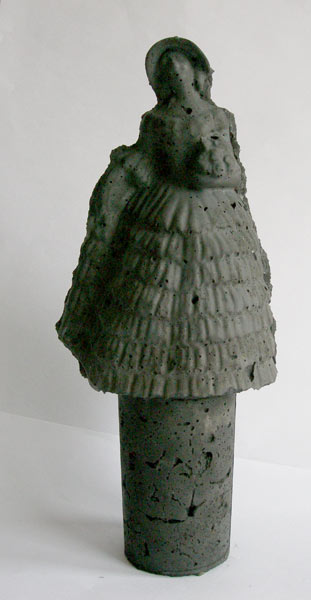
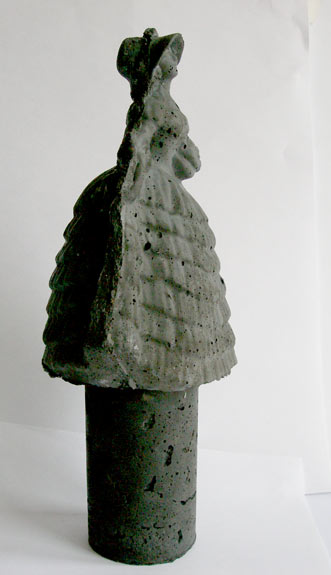
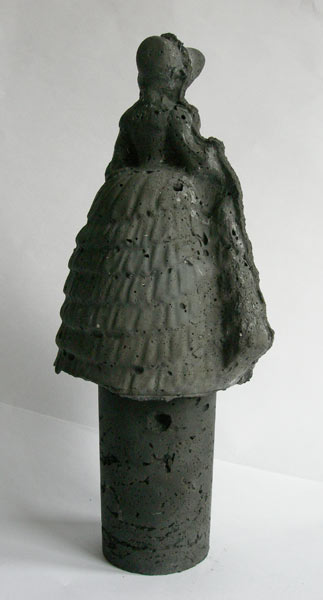
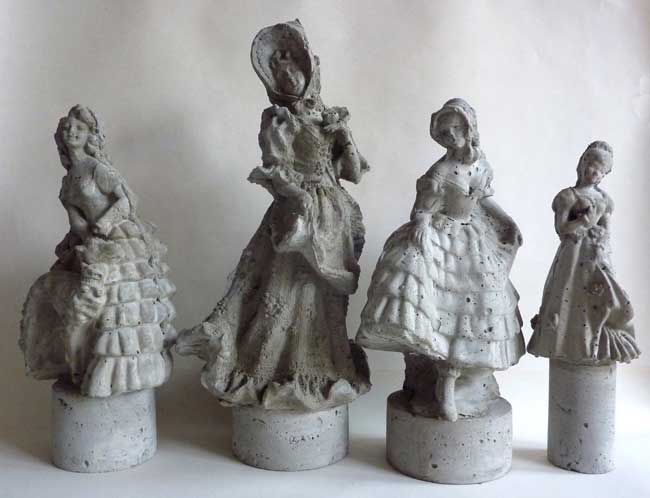
concrete figurine collection

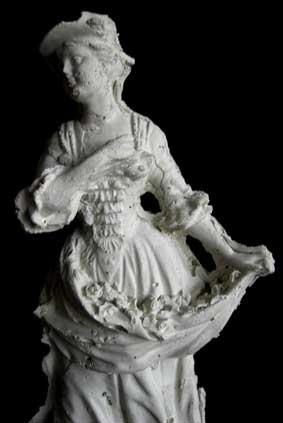
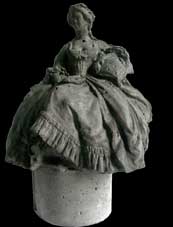

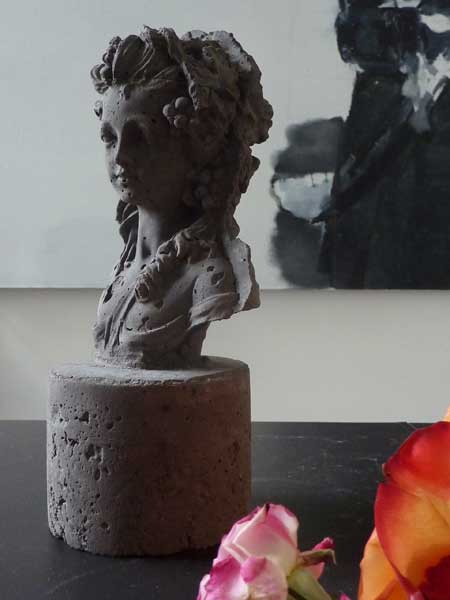

| the
figurine collection |
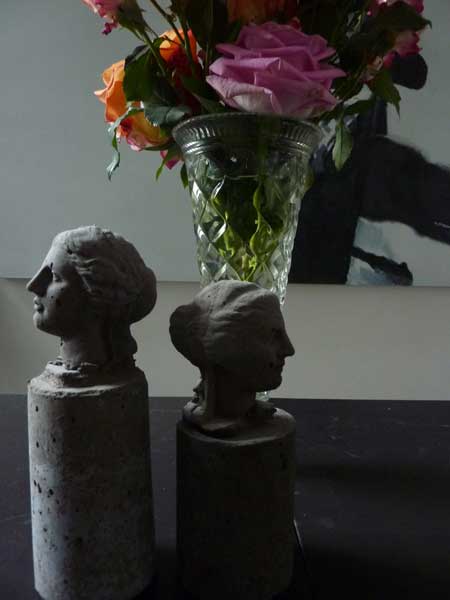
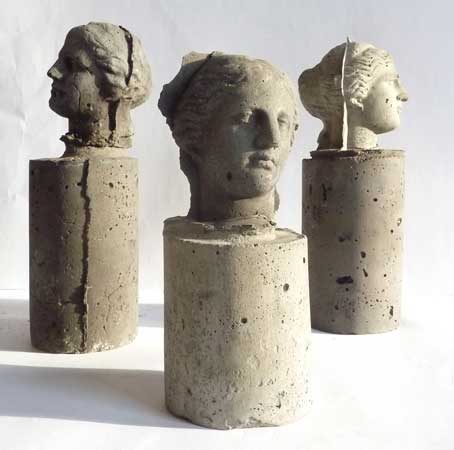
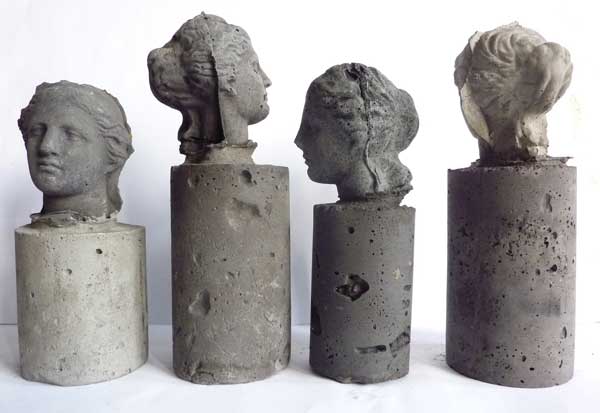
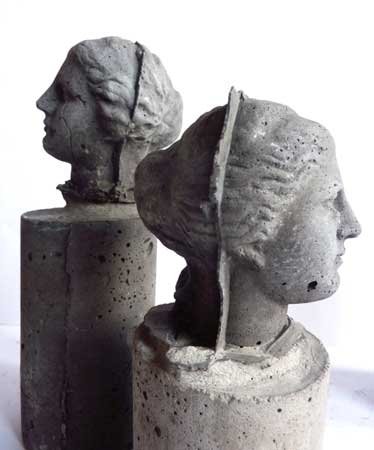
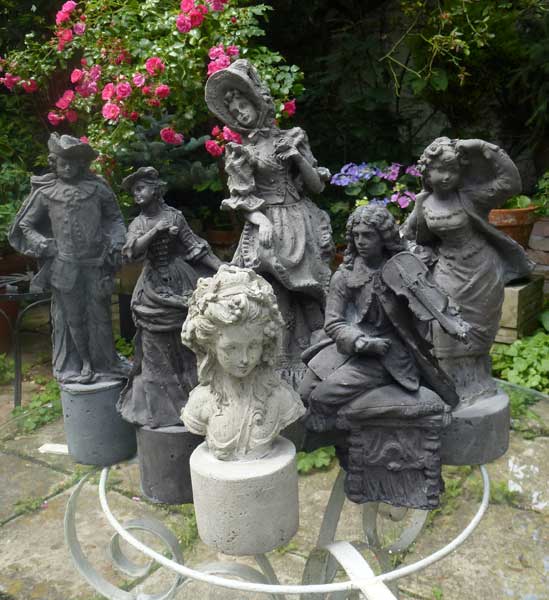
Through
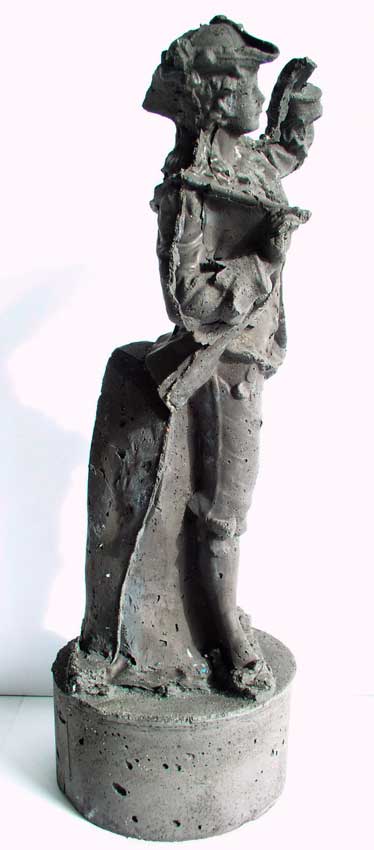
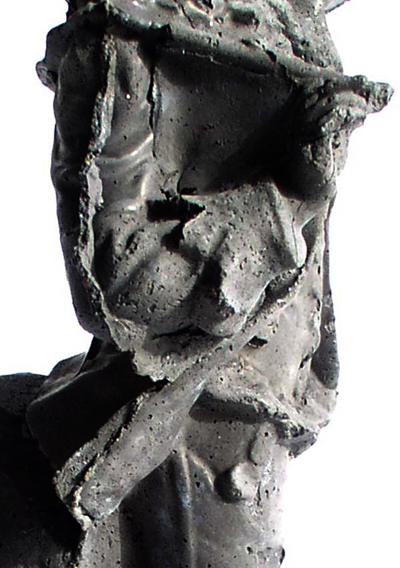
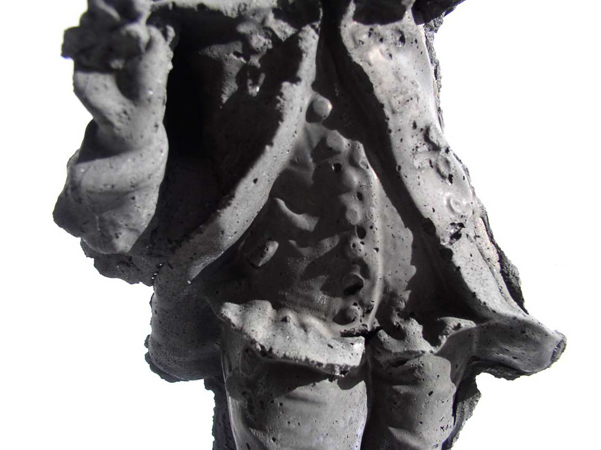
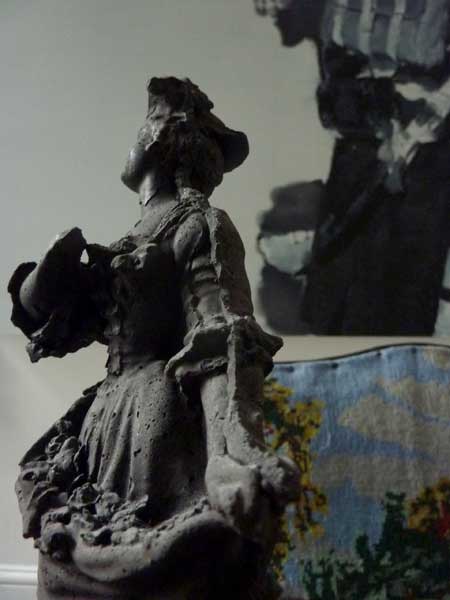
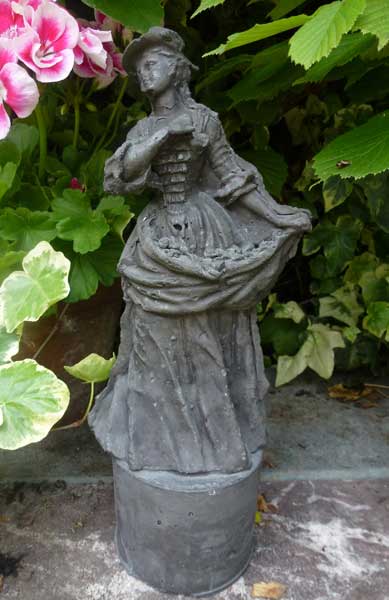
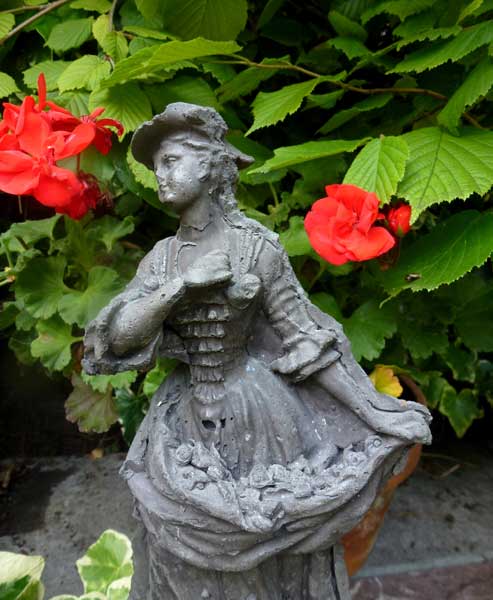
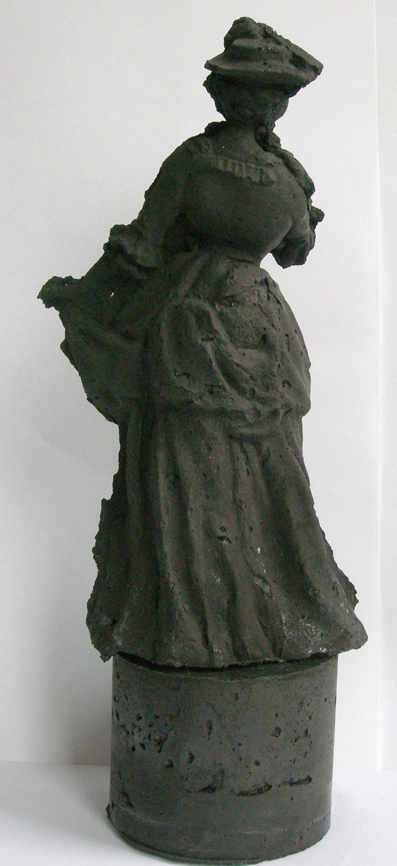
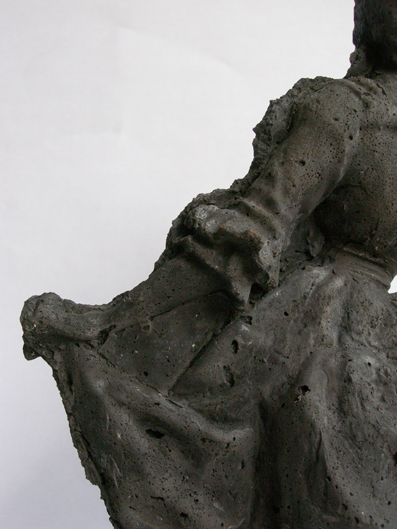
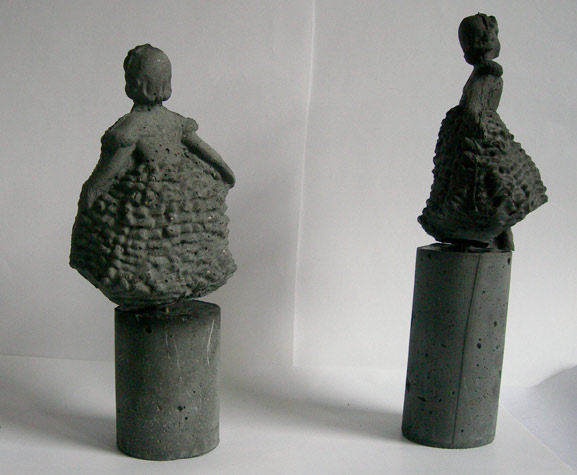
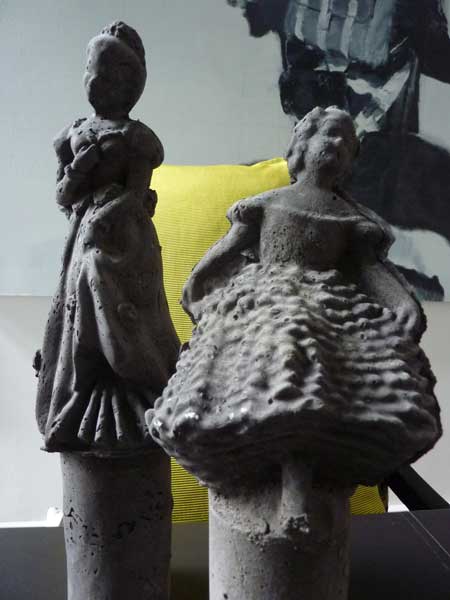
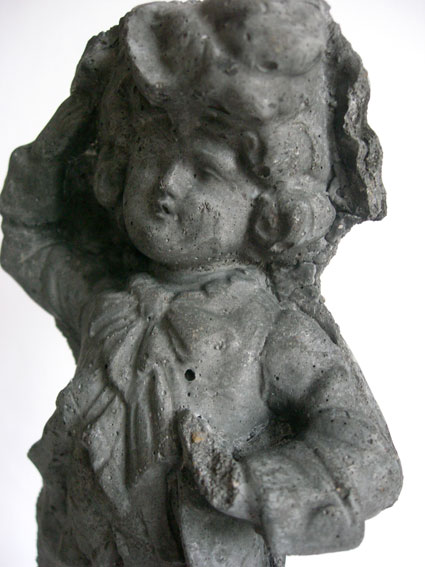
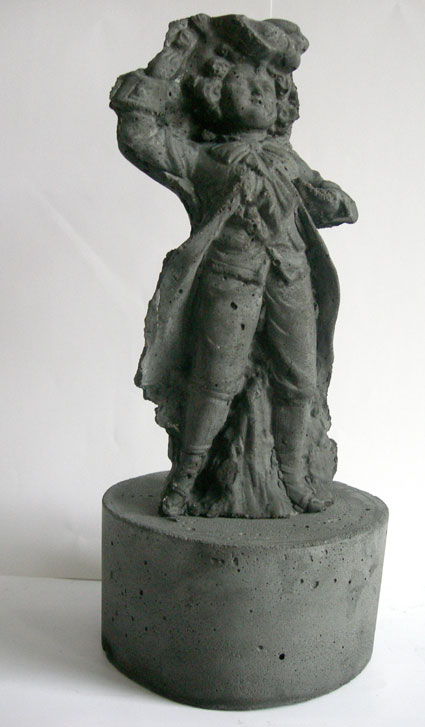
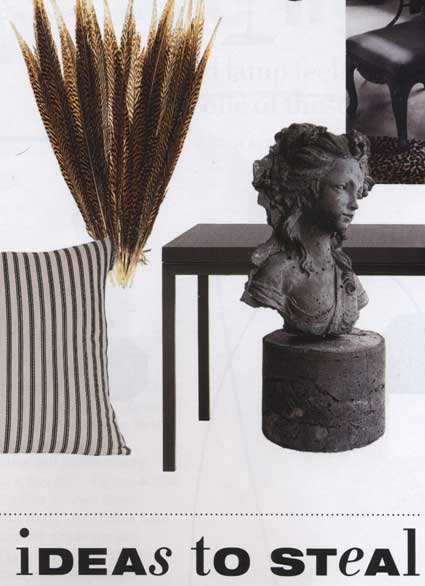
this transformation the figures adopt a monumental solemnity reminiscent
of 18th and 19th century public sculpture. Raised onto monolithic
Placed
in groups or ‘tableaux’ the figures seem to engage with
each other, despite the variations in scale, and a strange rapport
and sense of theatricality arises. for the backstory visit my studio blog |
|
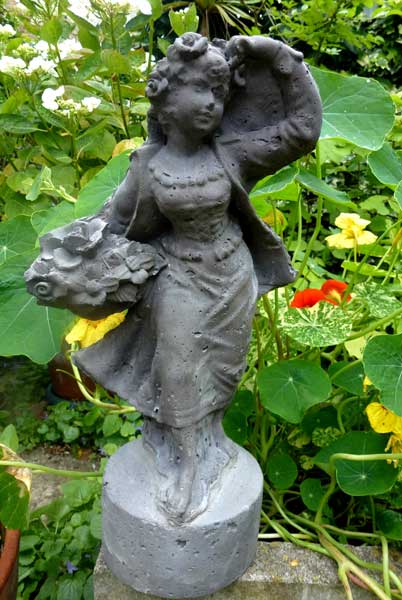
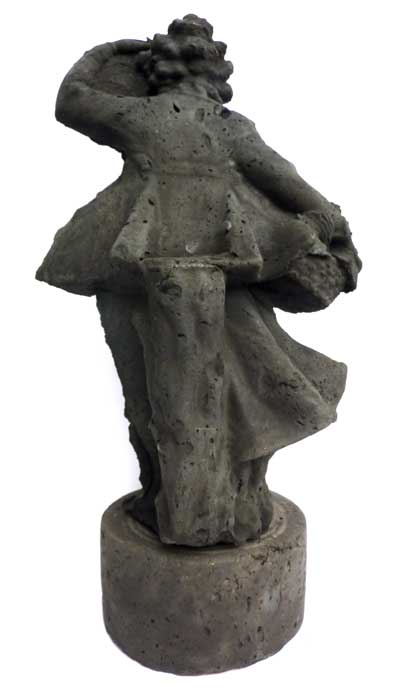
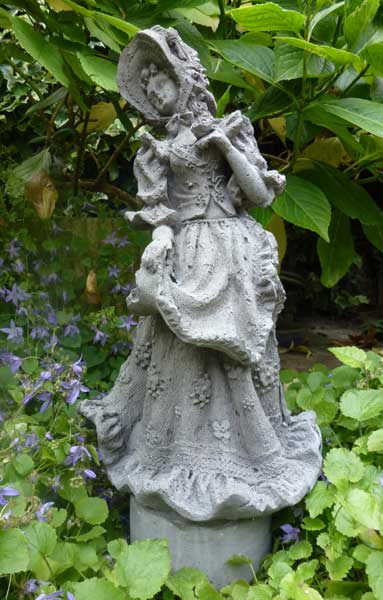
concrete
somerset girl height
35cms (inc. plinth)

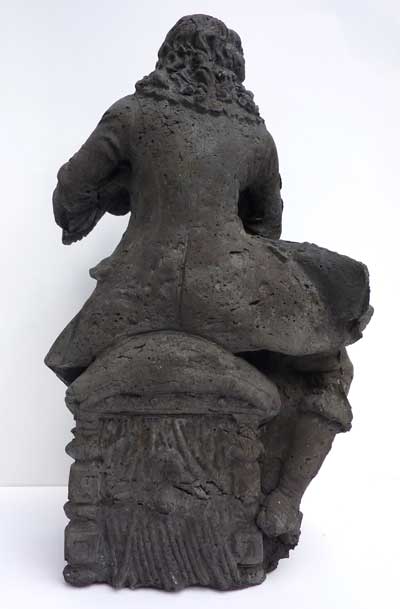
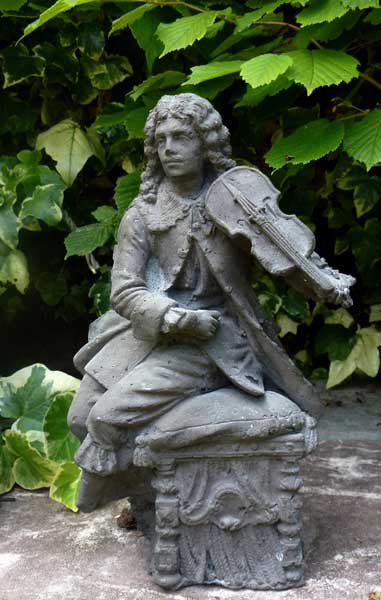
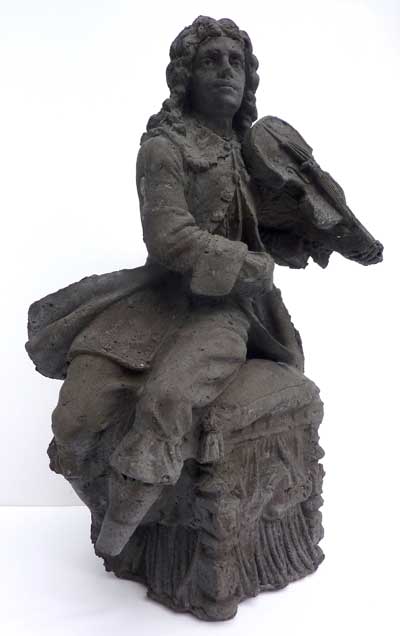
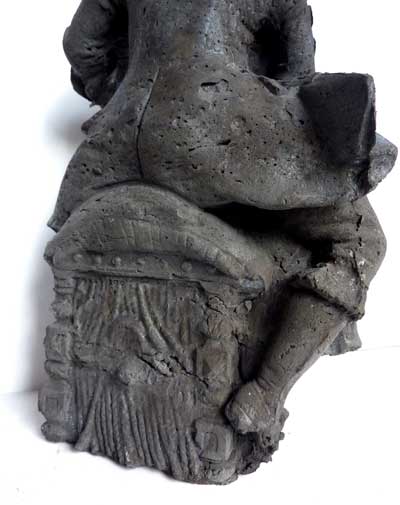
monsieur
nimes height
29cms

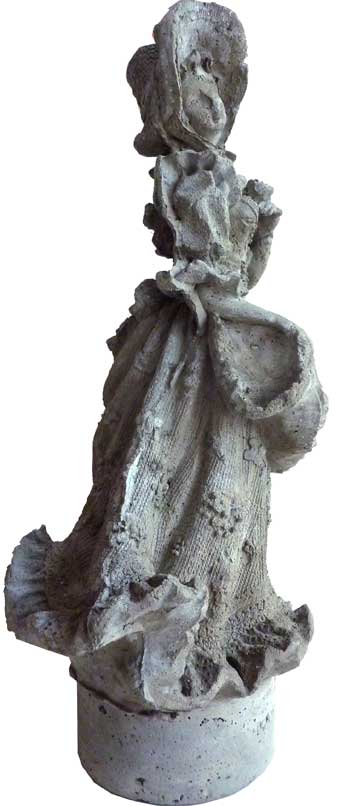
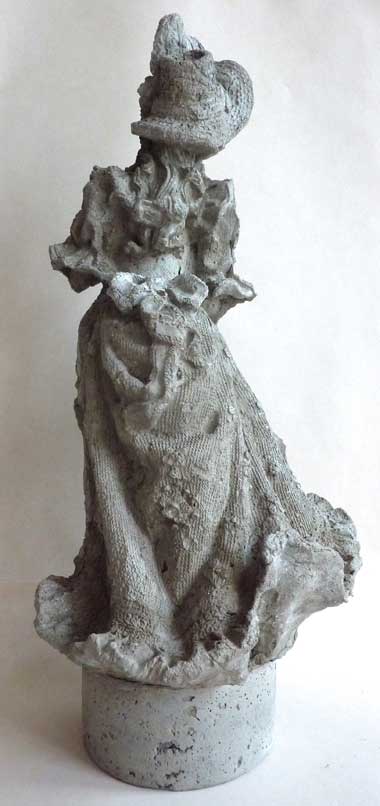
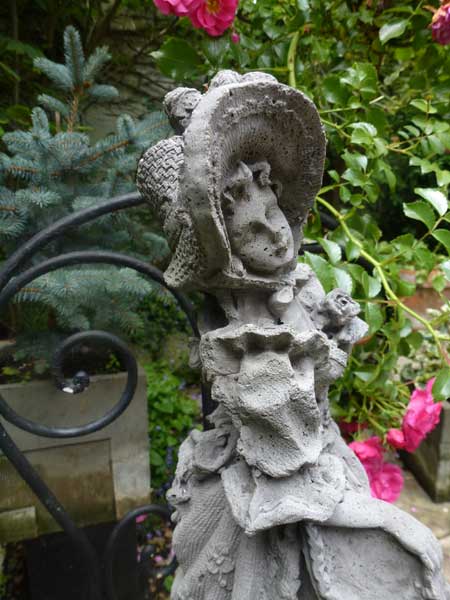
concrete chattanooga girl height 34cms (inc. plinth)
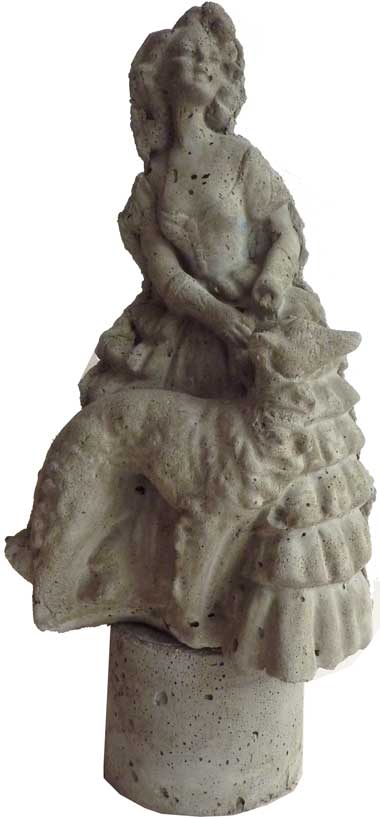
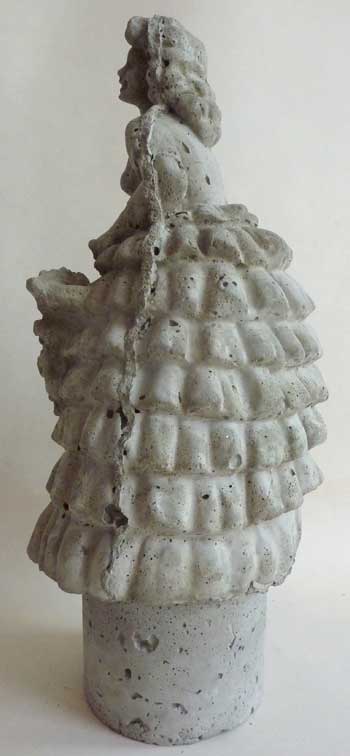
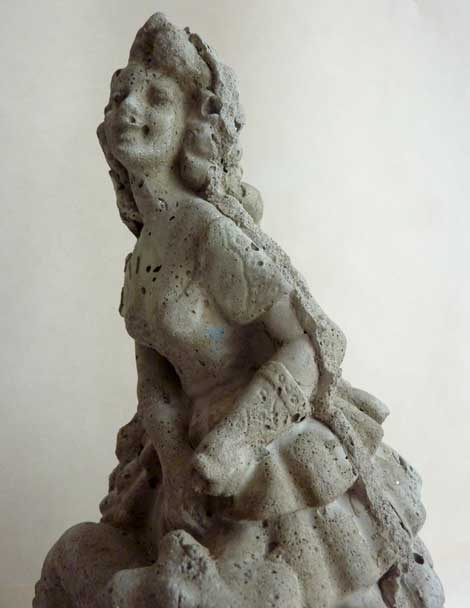
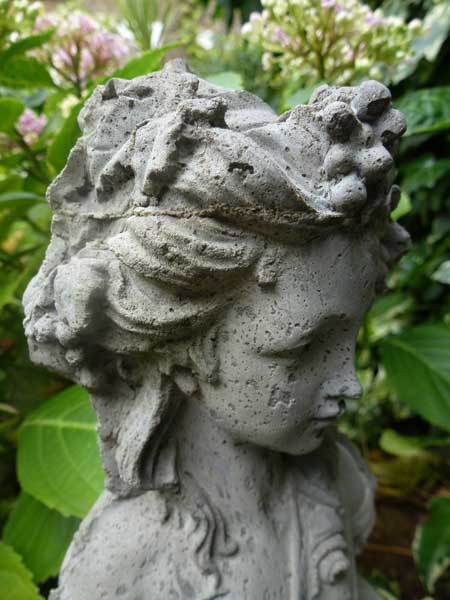
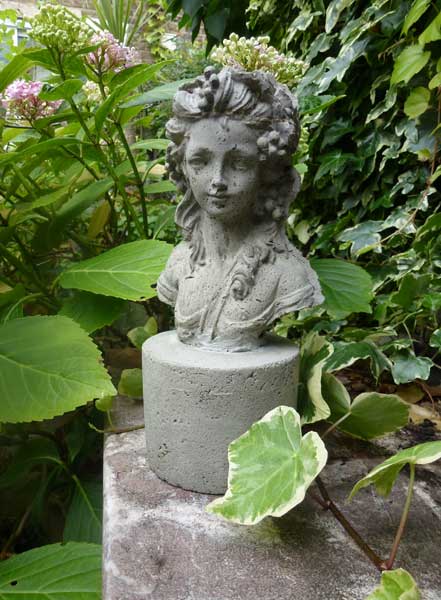
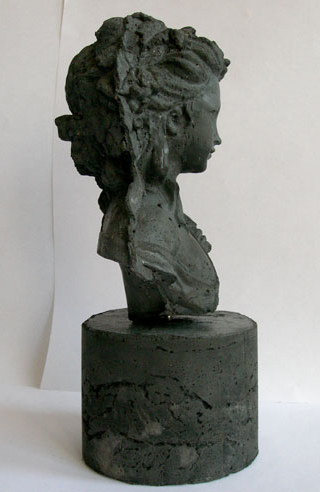
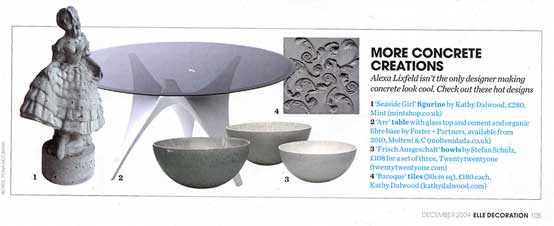
concrete seaside girl height 35cms (inc. plinth)
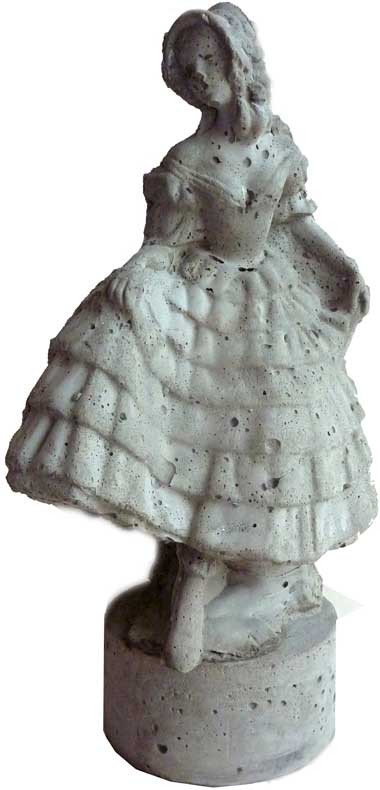
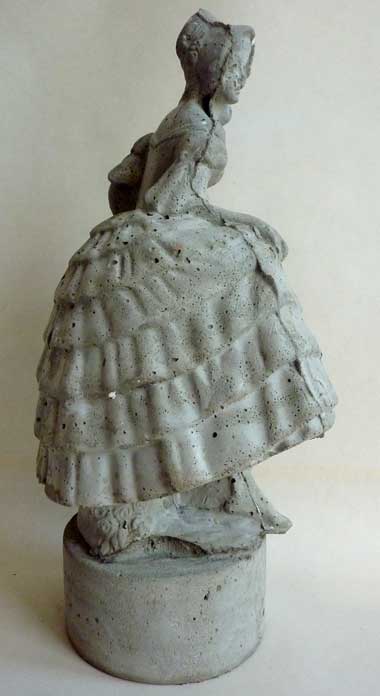
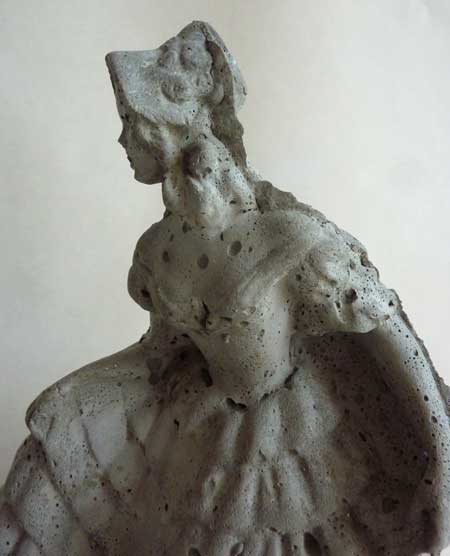
 concrete marie-antoinette     height 26cms (inc. plinth)
                                                                                                    top
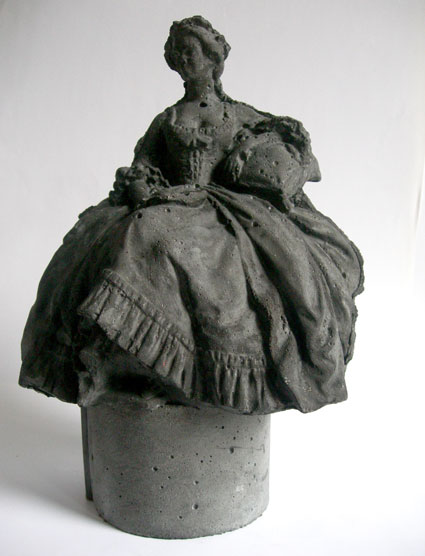

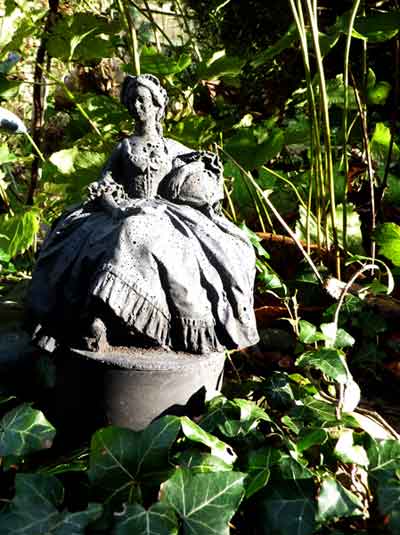
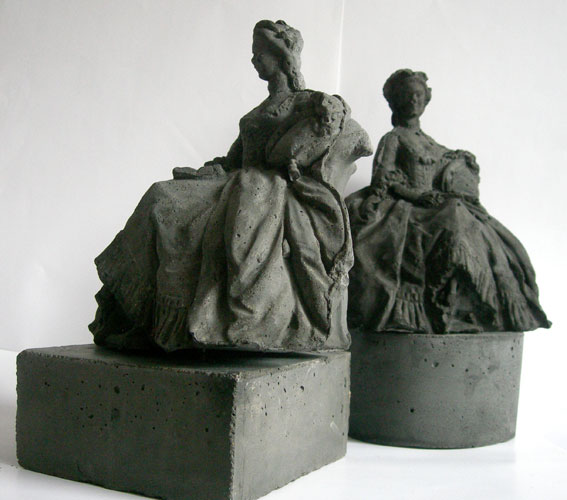
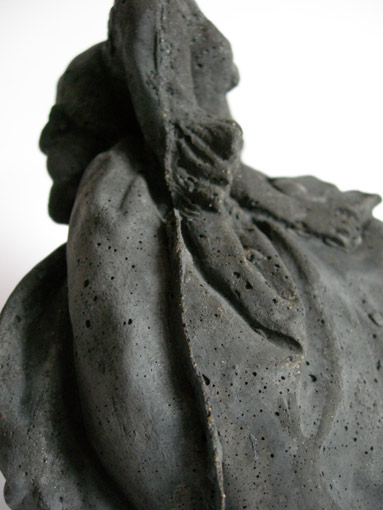
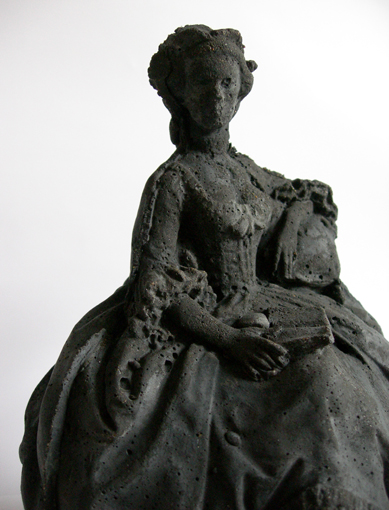
concrete tassel man height 32cms (inc. plinth)

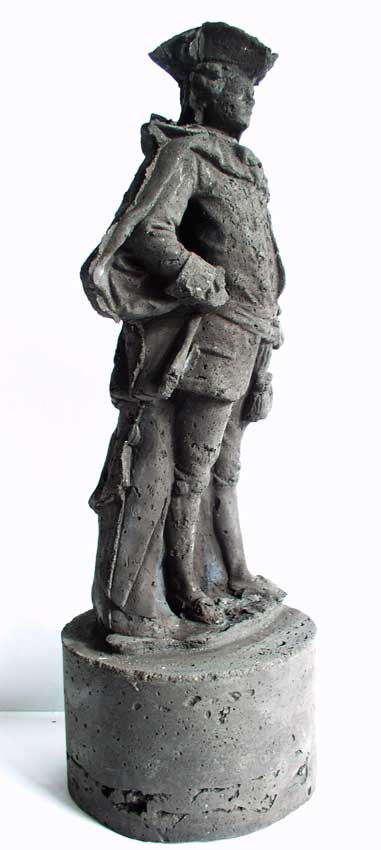
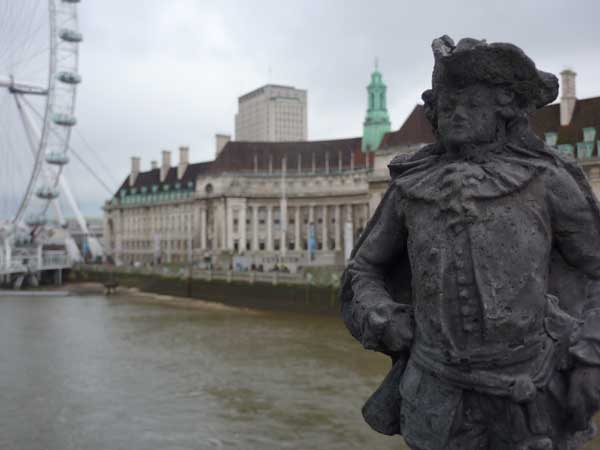
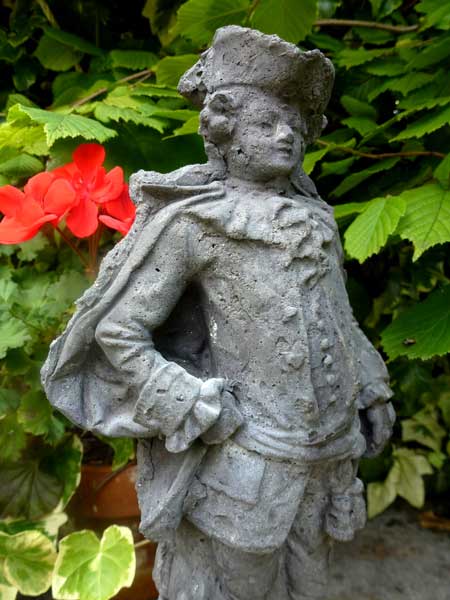
concrete button man height 32cms (inc. plinth)
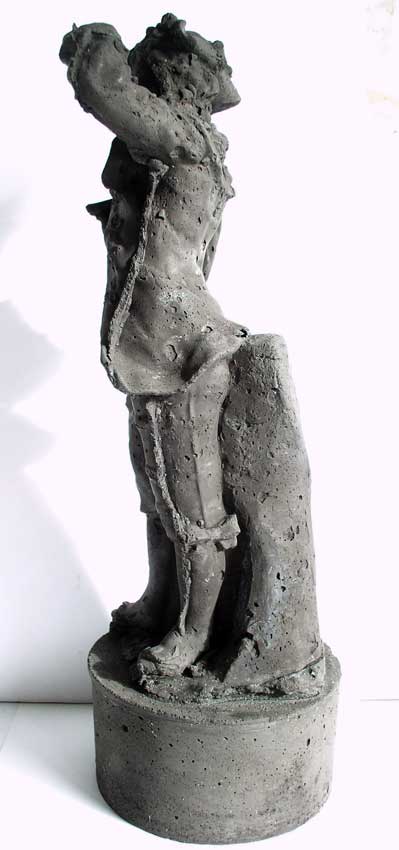
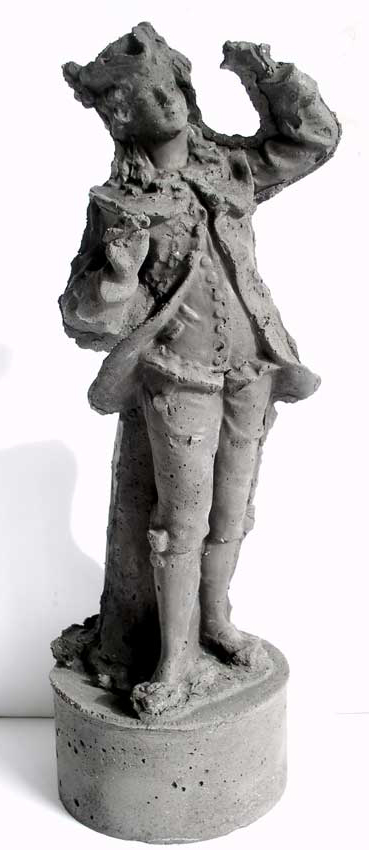
concrete tenessee girl & american girl
height
26cms (inc. plinth)
concrete
roman girl mini-figurine
ht: 15-18cms (6-7")
concrete nowhere girl height 29cms (inc. plinth)







see more press coverage